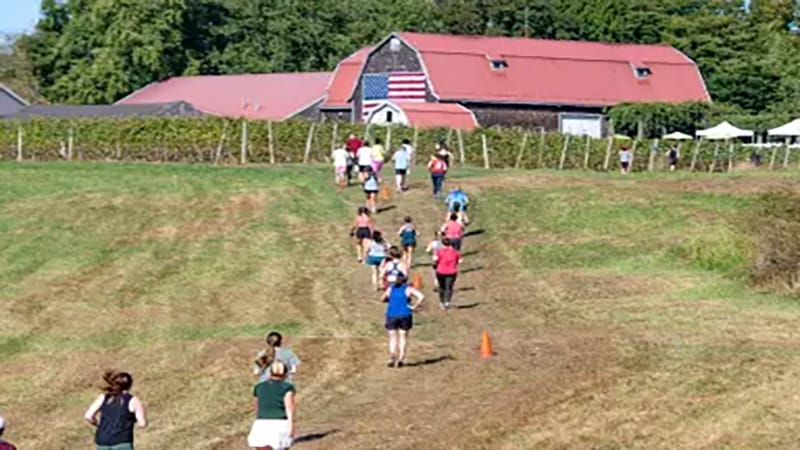


As a race director, one of the most important responsibilities we have is keeping runners safe. Months of planning go into every event—working with police departments, coordinating volunteers, mapping courses, and preparing medical plans. But even with all that preparation, safety during a race is a shared responsibility between organizers and runners.
Whether you’re running your first 5K or your tenth marathon, here are some key ways runners can help ensure a safe and successful race day.
Follow the Course Instructions
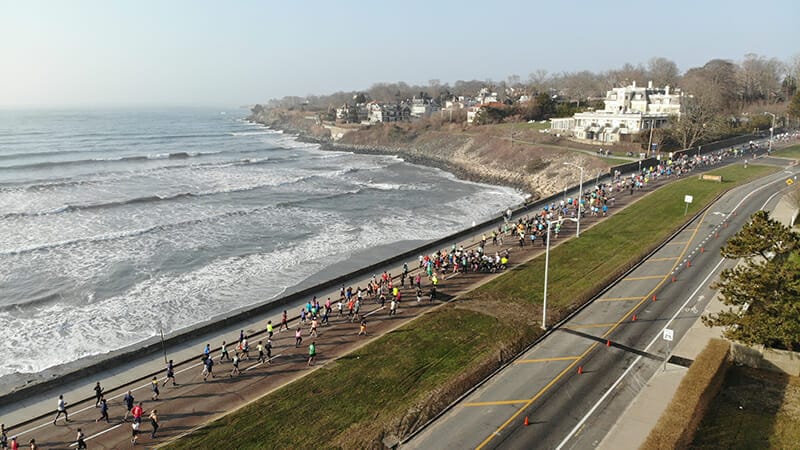
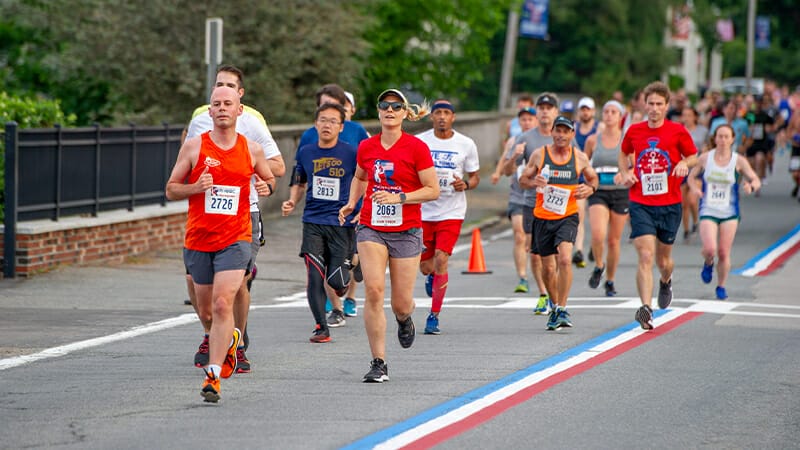
Race courses are carefully designed with safety in mind. Every turn, road crossing, and stretch of pavement is planned out in coordination with local officials. When you see a volunteer directing traffic or a police officer asking runners to stay to one side of the road, those directions are there for a reason. Many races courses are open to the public, staying inside the coned running lane will keep you the safest.
Course marshals and volunteers are there to guide you safely through the route. Staying on the marked course and following their instructions helps keep everyone moving smoothly and prevents dangerous situations with traffic or other runners.
Be Aware of Your Surroundings
Road races can be exciting and energetic environments. Between spectators cheering, music playing, and runners pushing themselves physically, it can be easy to lose awareness of what’s happening around you.
Try to stay alert during the race. Watch for turns, other runners, uneven pavement, or changes in the course. If you’re running with headphones, keep the volume low enough that you can still hear announcements or instructions from volunteers and safety personnel. Also, we discourage filming yourself while racing. Not only may others around not want to be filmed, but if you are looking at your phone recording content, you may not be aware of runners in your path or a change in the road condition.
Situational awareness is one of the simplest ways runners can help protect themselves and others.
Respect Other Runners
Every race has participants with a wide range of experience and speeds. Some runners are competing for a personal best, while others are just enjoying the atmosphere and community.
Passing respectfully, avoiding sudden stops in crowded areas, and moving to the side of the course if you need to slow down can help prevent collisions or falls. This is especially important near water stations and the finish line, where congestion is more common.
A little courtesy goes a long way toward keeping the course safe for everyone.
Use Aid Stations Responsibly
Aid stations are placed strategically along the course to help runners stay hydrated and fueled. They can also become some of the busiest spots on the course, so approaching them thoughtfully helps keep things safe and organized.
If you plan to grab water or sports drink, try to move toward the side of the road where the station is located and signal or slow slightly before stopping. Avoid sudden stops in the middle of the course, as runners behind you may not have time to react.
Once you’ve taken your cup, continue moving forward before slowing down if needed. This helps keep the flow of runners moving and prevents congestion around volunteers who are working hard to support everyone on the course.
Hydrate and Listen to Your Body
One of the most common issues we see on race day is runners pushing themselves too hard without paying attention to warning signs from their body.
Make use of water stations, especially on warm or humid days. If you start to feel dizzy, overly fatigued, or unwell, it’s okay to slow down or stop. Staying hydrated BEFORE you are thirsty is a good rule to follow. Medical volunteers and staff are always positioned along the course to help if needed.
Finishing a race is a great goal—but finishing safely is always more important.
Plan Ahead for Weather
Weather conditions can change quickly, and they play a major role in runner safety. Cold mornings, strong winds, heavy rain, or heat can all affect performance and health.
Check the forecast before race day and dress appropriately. Layers, gloves, sunscreen, or extra hydration can make a big difference depending on conditions.
As race directors, we monitor weather closely, but runners preparing properly is an important part of staying safe.
Communicate if You Need Help
Race day adrenaline can make it easy to ignore signs that something might be wrong. If you’re not feeling well during a race, don’t hesitate to let a volunteer, course marshal, or fellow runner know.
Medical teams are positioned along the course and at the finish line specifically to assist runners who need help. Speaking up early allows them to respond quickly and provide the support you need.
Running events are built around community, and looking out for each other is part of what makes road racing so special.
Keep the Finish Line Moving
The finish line is often the busiest area of the race. After crossing, try to keep moving forward through the chute to allow space for runners finishing behind you.
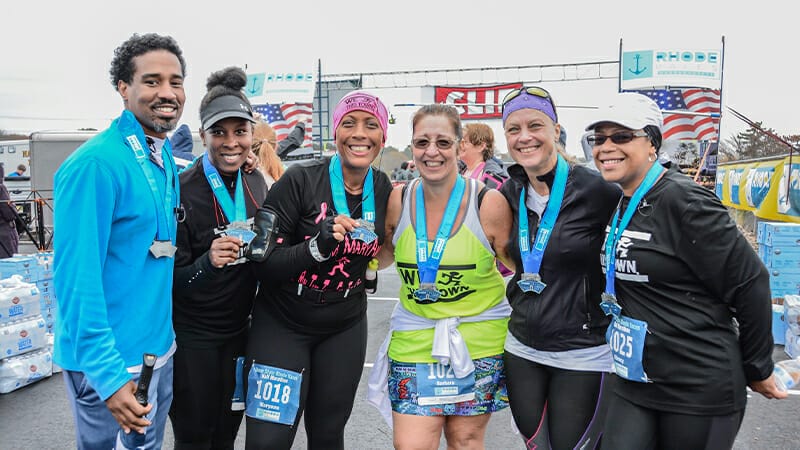
Volunteers will guide you toward water, medals, and recovery areas. Clearing the finish area quickly helps prevent crowding and ensures medical staff can easily access runners who may need assistance. Because of this, the finish line chute is ONLY for athletes. You can reconnect with your family and friends in the festival area.
A Team Effort on Race Day
Behind every road race is a large team working to create a safe experience—race staff, volunteers, police officers, medical personnel, and community partners. But the most important participants are the runners themselves.
By staying aware, following directions, respecting fellow participants, and listening to your body, you help make race day safer for everyone involved.
At the end of the day, the goal is simple: a great race experience where every runner crosses the finish line safely.
We’ll handle the planning behind the scenes—you just focus on running smart and enjoying the miles ahead. 🏃♂️