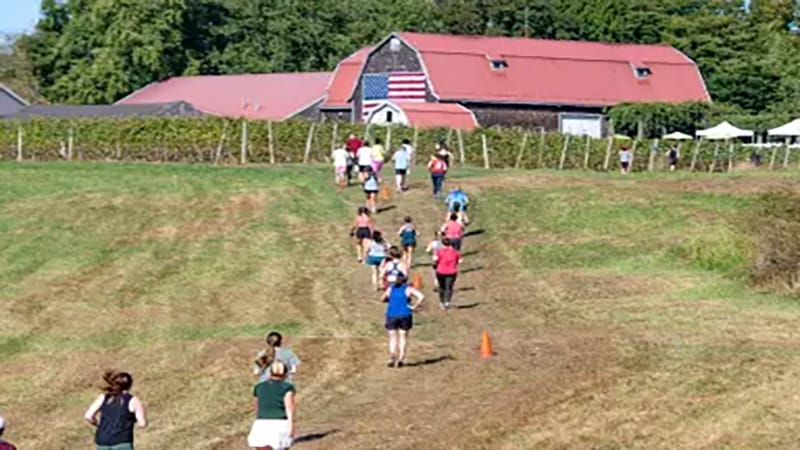


If you’ve ever wondered, “Am I too old to chase a new PR?” think again. Masters runners—athletes 40 and older—are redefining endurance in Rhode Island. From the scenic East Bay Bike Path to the rolling hills of Blackstone Boulevard, our “Rhode Master” cohort proves that age is more than just a number. These runners aren’t just showing up—they’re excelling, qualifying for Boston, and inspiring the entire running community.
Whether you’re a seasoned marathoner or returning to running after time away, this guide is for you. We’ll walk through training strategies, key physiological considerations, local Rhode Island course insights, and stories from athletes who show that strong running doesn’t stop at 40.
The Rise of Masters Running in Rhode Island

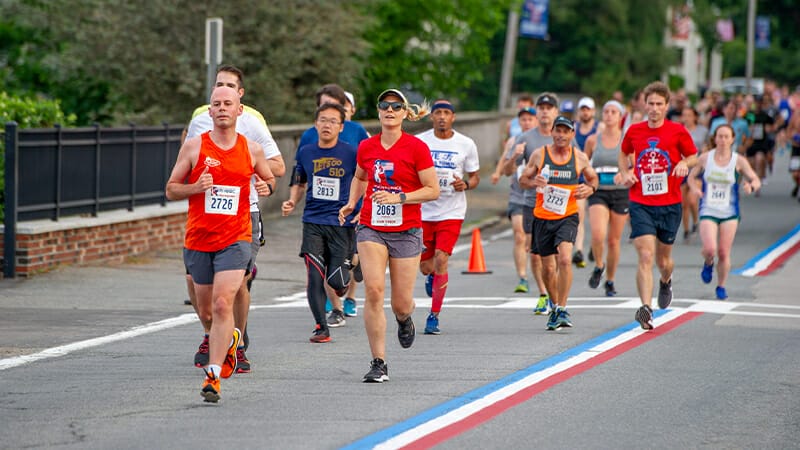
Over the past decade, the number of athletes over 40 participating in Rhode Races events has steadily grown. In some local marathons, masters runners now account for nearly a third of all finishers. This isn’t just a numbers shift—it’s a cultural one. Our “Rhode Master” community blends experience with motivation, proving that running at any age can be competitive, fulfilling, and deeply social.
The appeal is clear: running offers measurable progress, camaraderie, and personal achievement—qualities that resonate with athletes balancing careers, families, and busy schedules. Many masters runners approach training with a renewed sense of purpose: chasing a Boston Qualifier, aiming for a personal best, or simply maintaining fitness while enjoying Rhode Island’s iconic scenery.
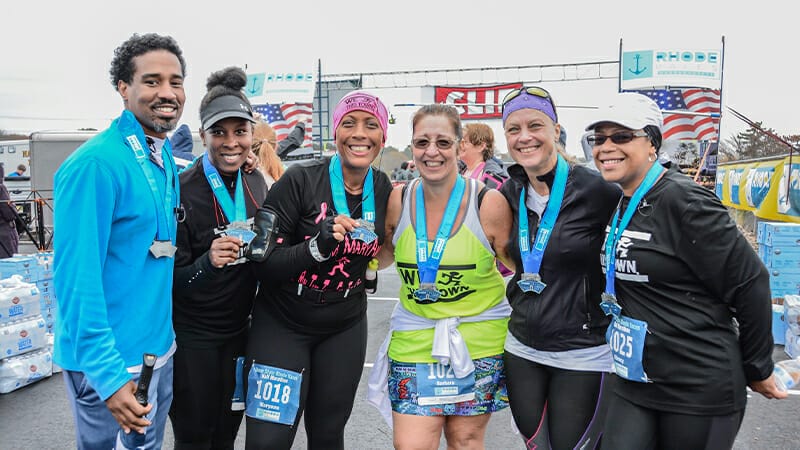
Community events, social runs, and age-group leaderboards foster a strong sense of belonging. If you’ve ever questioned whether a 40+ runner can still improve, the answer is a resounding yes—and the “Rhode Master” cohort is living proof.
Physiological Considerations for Runners 40+
Running in your 40s and beyond comes with both challenges and advantages. Understanding your body’s evolving needs is the first step toward smart, sustainable training.
Recovery and Injury Prevention
Recovery becomes increasingly important with age. Muscles take longer to repair, and joints benefit from more intentional care. Key strategies include:
- Active recovery: Gentle cross-training like swimming, cycling, or yoga helps maintain cardiovascular fitness without excessive impact.
- Strength work: Prioritize core stability, glutes, and hip mobility. Strong supporting muscles improve biomechanics and reduce stress on knees and ankles.
- Mobility and foam rolling: Daily stretching and foam rolling can limit stiffness and reduce the risk of overuse injuries such as plantar fasciitis or IT band syndrome.

Nutrition and Joint Support
Nutrition has a direct impact on performance and recovery. Masters runners benefit from a balanced diet that supports muscle repair, reduces inflammation, and sustains energy:
- Protein intake: Focus on lean protein sources—fish, poultry, dairy, and legumes—especially after long runs or strength sessions.
- Anti-inflammatory foods: Berries, leafy greens, turmeric, nuts, and fatty fish help reduce chronic inflammation.
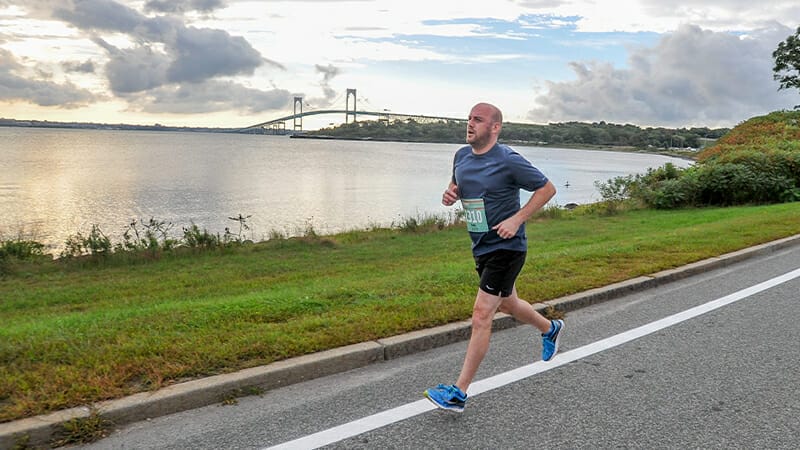
- Hydration and electrolytes: Maintaining proper hydration becomes more critical with age, particularly during hot summer runs along Narragansett Bay and other coastal routes.
Mind–Body Connection
One of the greatest advantages for masters runners is experience. While raw speed may plateau, strategy, pacing, and race-day composure often improve with age. Techniques such as mindfulness, visualization, and structured goal-setting can help you tap into that mental edge.
Tailored Training for Masters Athletes
Masters runners thrive with an intelligent, balanced training approach. Here’s a framework for structuring your week:
1. Smart Scheduling
- Long runs: Schedule one long run each week, gradually building mileage without compromising recovery.
- Speed work: Include short intervals or tempo runs 1–2 times weekly, focusing on quality over quantity.
- Cross-training days: Use cycling, swimming, or rowing to maintain cardiovascular fitness while reducing impact stress.
- Rest days: Treat rest days as non-negotiable. Time off supports muscle repair, reduces injury risk, and keeps motivation high.
2. Strength and Conditioning
Adding strength training 2–3 times per week can improve running economy and protect joints:
- Lower body: Squats, lunges, deadlifts, and glute bridges stabilize hips and knees.
- Core: Planks, dead bugs, and bird dogs support posture and efficient running form.
- Upper body: Light weightlifting or resistance bands help maintain balance and improve arm drive.

3. Mindset and Motivation
Many masters runners wrestle with self-doubt around aging, especially when comparing times to younger athletes or to their own past PRs. Turn that uncertainty into fuel by focusing on what you can control:
- Keep a training log to track improvements in consistency, recovery, and effort—not just pace.
- Set realistic goals for each race or training cycle, including process goals (like nailing your warmup) as well as time goals.
- Connect with peers in the “Rhode Master” community and local clubs for shared accountability and encouragement.
Local Rhode Island Courses for Masters Runners
Rhode Island offers some of the most scenic and varied routes in New England, ideal for masters athletes looking for both challenge and beauty.
Providence Marathon
- Highlights: The East Bay Bike Path is flat and scenic, perfect for settling into a steady pace, while Blackstone Boulevard offers a mix of rolling hills.
- Masters tip: Expect to work on the inclines late in the race—especially around mile 20. This is where smart pacing and endurance pay off.
Newport Half Marathon
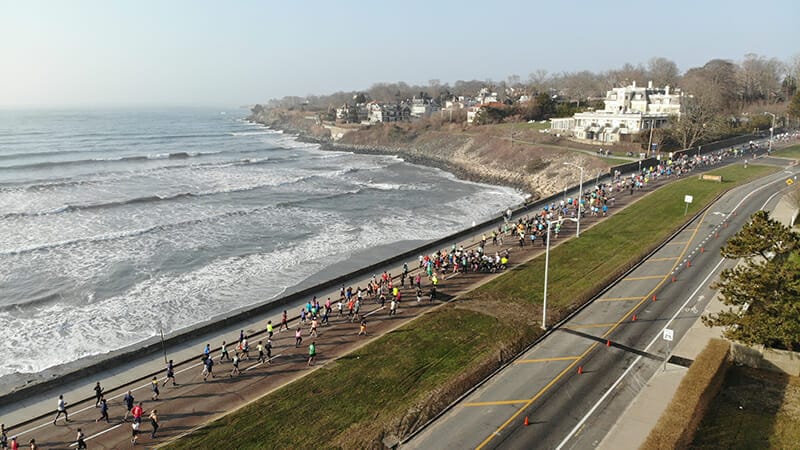
- Highlights: Coastal views, historic mansions, and a generally forgiving elevation profile make this a memorable course.
- Masters tip: Use the scenic sections as a mental reset, but avoid early surges that can drain your energy before the final miles.
Bristol 10K
- Highlights: A hometown favorite with strong local support and a festive atmosphere.
- Masters tip: The shorter distance allows you to run at a higher intensity—ideal for testing speed or sharpening for longer races.
Local Group Runs and Clinics
- Many local running clubs host masters-focused sessions.
- “Rhode Master” meetups combine social connection with structured training opportunities.
Stories from the Rhode Master Cohort
Inspiring masters runners remind us that age is no barrier to meaningful progress:
- Susan, 52: Returned to marathon running after a decade away. “I thought my best days were behind me, but finishing the Providence Marathon was proof otherwise.”
- David, 47: A multiple-time Boston Qualifier. “Experience beats raw speed. I’ve learned to race smart, not just fast.”
- Maria, 45: Prioritizes cross-training to manage past injuries. “Strength work and yoga kept me in the sport I love, and I’ve never felt stronger.”
These stories highlight resilience, adaptability, and the joy of community—the hallmarks of the Rhode Master spirit.
Training Smart With Age
As a masters runner, it’s crucial to adapt your approach:
- Listen to your body: Adjust mileage or intensity when you notice persistent fatigue, soreness, or early signs of injury.
- Prioritize sleep: Quality sleep enhances recovery, mood, and mental focus on race day.
- Incorporate recovery tools: Foam rollers, massage, compression sleeves, and targeted stretching can all support recovery.
- Fuel strategically: Experiment with carbohydrate intake and hydration before, during, and after runs to maintain steady energy.
- Monitor metrics: Pay attention to heart rate, pace, and perceived exertion to help prevent overtraining.
The goal is long-term consistency, not short-term heroics.
Community and Connection
Masters running isn’t just about performance; it’s about connection. Social runs, volunteer opportunities, and mentorship roles all make participation more meaningful:
- Pair with younger runners for mutual motivation and perspective.
- Join post-race socials or local club dinners to celebrate milestones.
- Share tips, encouragement, and race-day wins on #RhodeMaster to inspire the next wave of 40+ athletes.
Endurance Gets Stronger With Age
Masters runners show that age brings wisdom, mental resilience, and a deeper appreciation for the sport. Rhode Island’s courses—from waterfront paths to historic city streets—offer both challenge and charm.
Whether your goal is a Boston Qualifier, a new personal record, or simply enjoying the camaraderie of local races, the “Rhode Master” community welcomes you.