

I don’t know about you, but I already feel like I’m slogging through summer runs… and it’s not even officially summer yet!
Gear up for higher heart rates, a slower pace, more mindful hydration plans, and extra patience as we head into what is tracking to be yet another “hottest summer on record.” For athletes, climate change is a real threat, and high on that list of threats is athlete safety. Properly training for and acclimating to this warmer weather is essential for keeping our training safe, healthy, and fun.
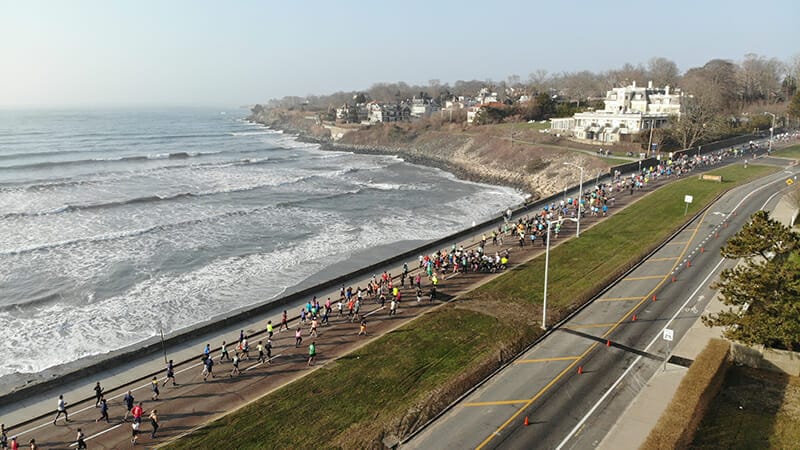
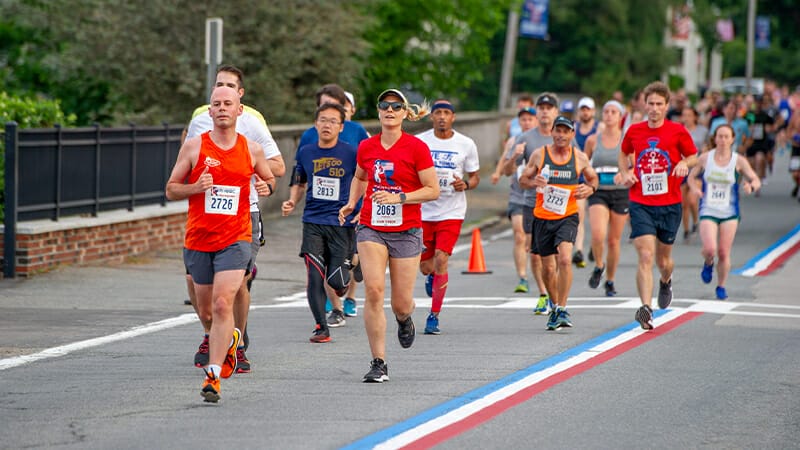
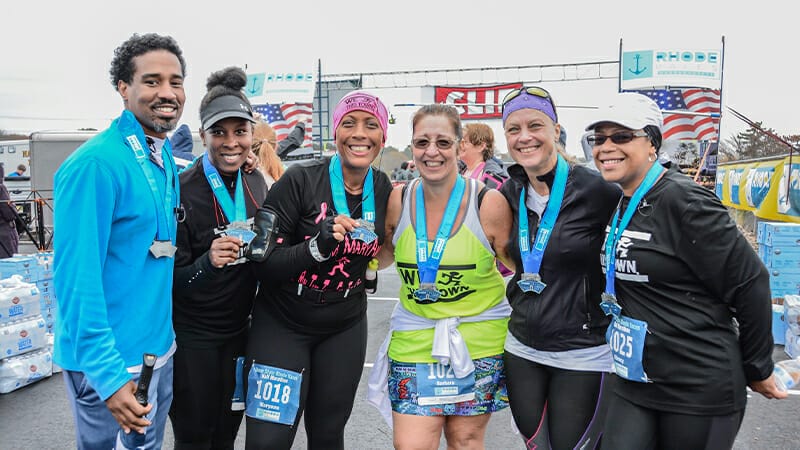
If you are looking for the absolute perfect motivation to jumpstart your summer mileage, look no further than our very own Rhode Races Independence Half Marathon in late June. It is a phenomenal event. Running through the historic, patriotic streets of Bristol when the town is completely decked out for the Fourth of July celebration is an unmatched experience.
Because it takes place right at the start of the season, it is the perfect opportunity to practice your summer race strategy. Even with that beautiful, cool morning start along the water, early summer weather is a great reminder of why dialing in your hydration and choosing lightweight, moisture-wicking clothing is so important to keep you feeling strong from the start line at Independence Park to the finish.
Once you have that early summer triumph under your belt, you will be primed for the rest of the classic summer road race circuit. You can carry that momentum right into the Little Compton Road Race, step it up for the Blessing of the Fleet, and use all that mid-summer fitness to completely crush the Falmouth Road Race in August.
How do I actually enjoy these sweat-soaked events and choose to run them again year after year? Heat training.
Disclaimer: I am a passionate runner, not a doctor or a medical professional! This is simply the training approach that has safely worked for me over the years. Always listen to your own body, check the weather conditions before you head out, and consult a doctor if you have any underlying health concerns.

These days, we have great tools available to track our physiological metrics in real time. For example, my Garmin watch tells me exactly what percentage I am heat-acclimated. It calculates this by analyzing a mix of your heart rate, performance data, and the actual outside temperature and humidity pulled from your phone’s local weather data.
But it wasn’t always this way. Before this advanced technology, and before absolutely everyone wore a GPS watch just to track a basic pace (I am not old, I swear!), everything was based on pure feel, pre-mapping out miles online, and a simple stopwatch.
That “old-school” approach is exactly how I learned to tackle heat training. I have intentionally gotten out in the heat of the day, even just for a brief run, to get my body used to the elements so racing during late morning summer heat eventually feels manageable and even comfortable. That’s the goal! But just like adding weekly mileage or upping your goal pace, heat acclimatization needs to be done gradually; it typically takes at least a couple weeks of consistent, short exposures for your body to fully adapt.
Start by leveraging those humid early morning or late evening runs, and slowly shift a few sessions into the warmer parts of the day. The trick is to start running in the warmth now, rather than waiting until it’s stiflingly hot.
You also need to nail down your hydration. Properly hydrating with electrolytes needs to happen in the days leading up to a hot run and consistently throughout the day, not just when you already feel thirsty. On extra hot days or during long runs, carry water mixed with electrolytes with you to maintain your hydration status as you go.
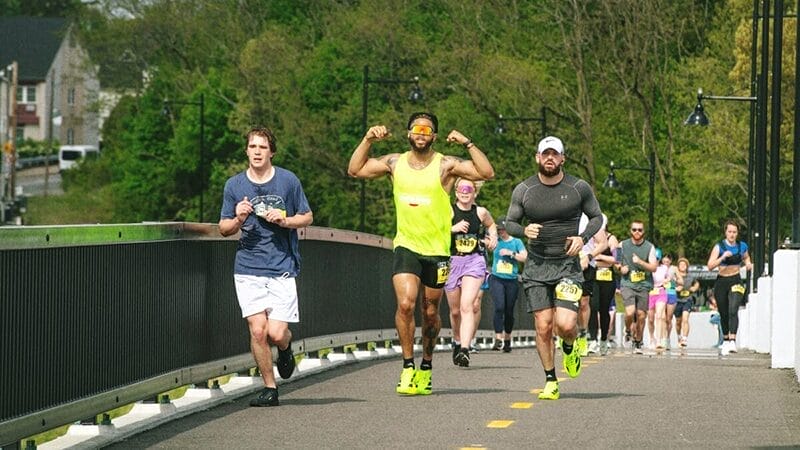
There is truly no better feeling than crushing a PR in 85-degree heat while feeling strong and well the entire time. It is entirely possible, and it will make you feel on top of the world! But remember, that race-day magic only happens when you put in the work ahead of time. Proper preparation, smart choices, and gradual training are the absolute keys to making those hot summer miles safe and successful.
For a different perspective on how to embrace summer running, check out the article Summer Running Had Me A Blast (not)on Notes from the Rhode!